

European basketball is on the brink of transformation, and a year from now, the sport on the continent might look very different from what we know today.
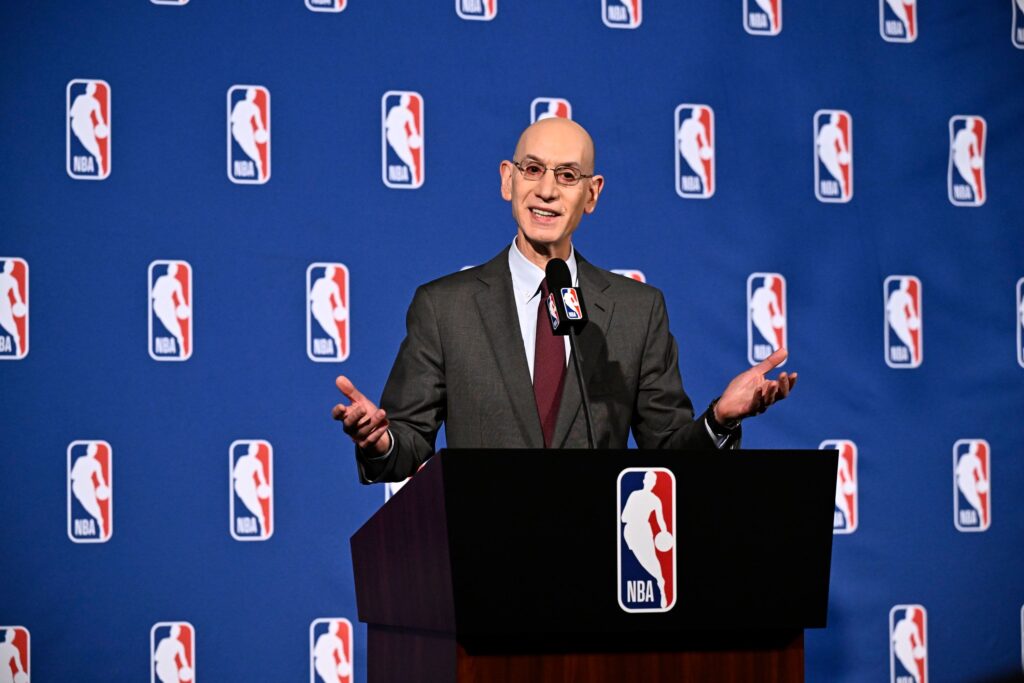
In early April, FIBA Secretary General Andreas Zagklis and NBA Commissioner Adam Silver held a joint press conference in Manhattan to announce the beginning of a process that could reshape the landscape: the creation of a new professional basketball league in Europe, one meant to compete directly with the EuroLeague.
Currently, four major competitions dominate European club basketball. FIBA, the sport’s governing body, organizes the Basketball Champions League and FIBA Europe Cup. Meanwhile, the continent’s top-tier clubs play in the EuroLeague and the EuroCup — competitions under the Euroleague Basketball umbrella.
This split originated from a bitter conflict in 1999, when top clubs rebelled against FIBA’s control and created ULEB (Union of European Leagues of Basketball), launching the EuroLeague. It was a breakaway movement — and now, the proposed NBA-backed European League seems to be the next phase in that conflict.
A Look Back: Follow the Money
Until 2000, FIBA managed all European tournaments for clubs and national teams. Club competitions generated the most revenue through substantial entry fees. While FIBA was content with the setup, elite clubs revolted, founded ULEB, and trademarked the EuroLeague brand.
Initially, countries like Greece, Turkey, Russia, and Israel remained loyal to FIBA. But over time, they too joined the breakaway league. FIBA’s threats of suspensions and other disciplinary actions failed to halt the exodus.
By 2004, a temporary truce was signed: ULEB would pay FIBA €400,000 annually for basketball development. The agreement also outlined the calendar — national team events from late June to September, club competitions from October to mid-June.
God with a discount. Is it fine for Lionel Messi to be only worth 30 million euros?
This détente fell apart in 2012 when FIBA sought to introduce more national team games during November and February, similar to FIFA’s international breaks in football.
EuroLeague viewed this as a breach of contract and ceased payments. While players weren’t officially barred from joining their national teams, the EuroLeague made no effort to pause its schedule during these windows.
In 2016, EuroLeague struck a 10-year deal with marketing giant IMG. In response, FIBA launched the Champions League, hoping to win back top clubs and national league champions.
A Chance for Peace?
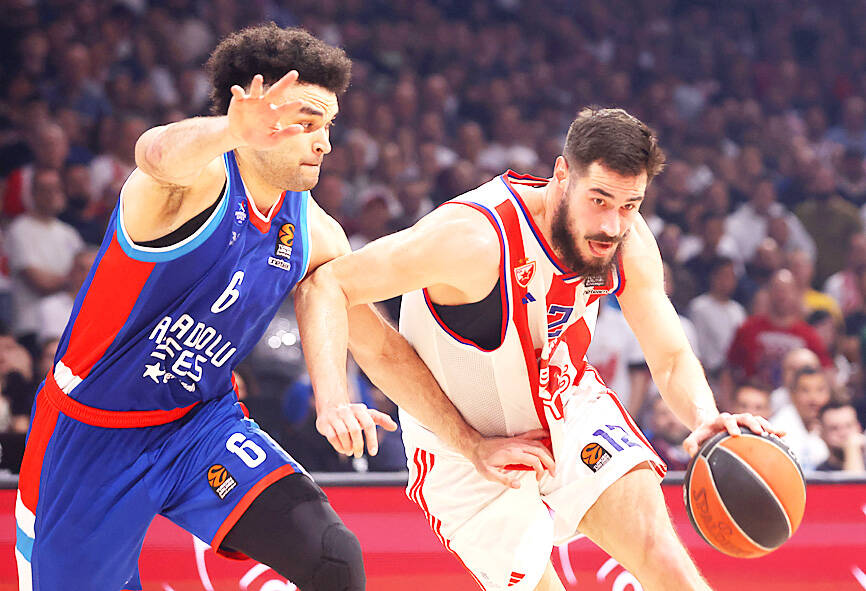
Relations seemed to improve in recent years. The EuroLeague began scheduling breaks for national team windows, and talks surfaced about merging the EuroCup and the Champions League.
But then came instability. In just three years, the EuroLeague went through two CEOs — a significant shift after 22 years of continuity. Internal conflicts left the league directionless. Into this uncertainty, the NBA and FIBA announced plans for the NBA European League.
What’s in It for the NBA?
FIBA’s goal is clear: reclaim control over top-tier European club competitions and regain the accompanying revenue streams.
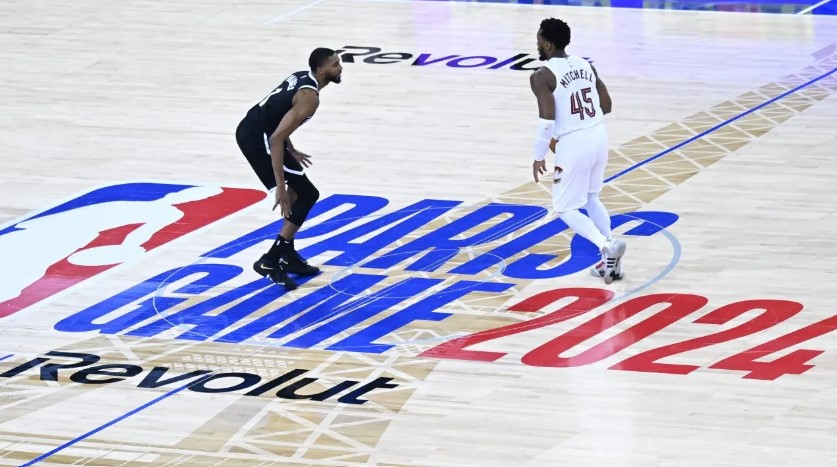
The NBA’s motive? Global expansion. The league has long eyed the European market — pre-season games and “NBA Global Games” in Europe have only scratched the surface.
After successful ventures like the WNBA, G-League, and the Basketball Africa League, the NBA is setting its sights on Europe and the Middle East — lucrative markets with rising sports investments.
Over three years ago, the NBA proposed creating a “basketball Netflix” — a mega-platform to centralize global basketball content. Then came talks about a 50-50 merger with EuroLeague, but European officials rejected the terms.
The NBA and FIBA are moving forward, with or without EuroLeague.
A Vision for the Future
European basketball is in chaos. Conflicting tournaments, overlapping schedules, and absent NBA/EuroLeague stars in national team qualifiers are a structural mess that scares off investors and stunts growth.
The NBA, with its unmatched marketing power and global brand, could bring structure and stability, and attract elite European talent to its new league.
Ukraine at the 2024 Olympics: wrestling – the 3rd OG for Belenyuk and a modest number of licenses
At the Manhattan press conference, Silver emphasized that the league would likely adopt FIBA rules, including 40-minute games.
Plans call for a 16-team league: 12 permanent franchises and four qualifying spots, likely tied to the Basketball Champions League, now FIBA’s top European tournament.
Silver also stressed that existing clubs could join — and indeed, NBA and FIBA are already in quiet (but widely rumored) talks with EuroLeague powerhouses.
Who Will Play?
The NBA wants to work with Europe’s most prominent sports clubs. The following cities have reportedly attracted NBA interest: Paris, Madrid, Barcelona, Munich, Berlin, London, Manchester, Milan, Rome, Istanbul, and Athens.
Many of these cities host iconic football and basketball clubs. The NBA has allegedly approached Real Madrid, FC Barcelona, Fenerbahçe, Olympiacos, and Panathinaikos about joining the league.
Should that fail, the fallback is simple: start fresh. For example, Adam Silver met privately with PSG president Nasser Al-Khelaifi in Paris this January. Talks are also ongoing with the ownership groups of Manchester City and Arsenal.
Smoove – про данки, Гарлем, ігри 1х1, ютуб та гроші
The NBA knows: football rules Europe. So bringing football clubs — and their fanbases — into basketball is the fastest way to build an audience.
The Financial Gap
In financial terms, the EuroLeague cannot compete.
Despite averaging 10,383 fans per game in 2023–24, EuroLeague clubs aren’t making real profits. Turkish Airlines and BKT (an Indian tire brand) are the only major sponsors this season.
TV revenue is limited: EuroLeague earns around $71 million yearly from broadcast rights. In contrast, the NBA will average $7.2 billion annually under its new media deal starting next season.
The NBA believes its European-Middle Eastern league could generate up to $3 billion annually.
What About EuroLeague?
So far, only the EuroLeague has publicly criticized the NBA-European League plan, arguing that further fragmentation will harm European basketball.
Although the sides reportedly met in March, no breakthroughs occurred. Instead, more insider reports emerged about ongoing NBA talks with potential investors and clubs.
Meanwhile, EuroLeague is trying to lock in its existing clubs with new 10-year IMG contracts (which must be signed by summer 2026). Talks are also underway with potential new teams — including clubs from Serbia, Israel, and even Dubai — for a possible expansion in 2026.
Basketball 3×3: announcement of the first qualifying Olympic tournament
The Fans: Winners or Losers?
Fans may end up the biggest losers.
If EuroLeague splits — some clubs joining the NBA-backed league, others staying — the quality of both competitions could suffer.
Top European players are already in the NBA. Competing leagues could soon pull those who remain in opposite directions.
One thing is clear: this long-running war in European basketball is far from over. The NBA European League may be this saga’s next — or final — chapter. With any luck, it could also be the beginning of a brighter future.